An unexpected metallic flavour in your mouth can be unpleasant and alarming, and sometimes just a nuisance; however, it can represent additional issues concerning your oral health that need resolving. By knowing what causes this type of taste, you will be in a better position to act quickly and keep your mouth healthy.At ToothWorks Dental …

An unexpected metallic flavour in your mouth can be unpleasant and alarming, and sometimes just a nuisance; however, it can represent additional issues concerning your oral health that need resolving. By knowing what causes this type of taste, you will be in a better position to act quickly and keep your mouth healthy.
At ToothWorks Dental Clinic, Dr Shruti Shanbhag and her team use advanced techniques, such as Digital Dentistry, to identify the cause of oral health problems.
What Is a Metallic Taste in the Mouth?
A metallic taste, medically known as dysgeusia, refers to a persistent or temporary change in taste perception. Many people describe it as a bitter, sour, or metallic sensation that lingers even without eating anything.
Common Causes of Metallic Taste
1. Poor Oral Hygiene
Inadequate oral hygiene is one of the most prevalent causes of developing a metallic taste in your mouth because plaque, gum disease, and tooth decay can create unpleasant tastes for people.
Brushing, flossing, and having regular cleanings at a dental clinic is a must to treat these problems.
2. Gum Disease
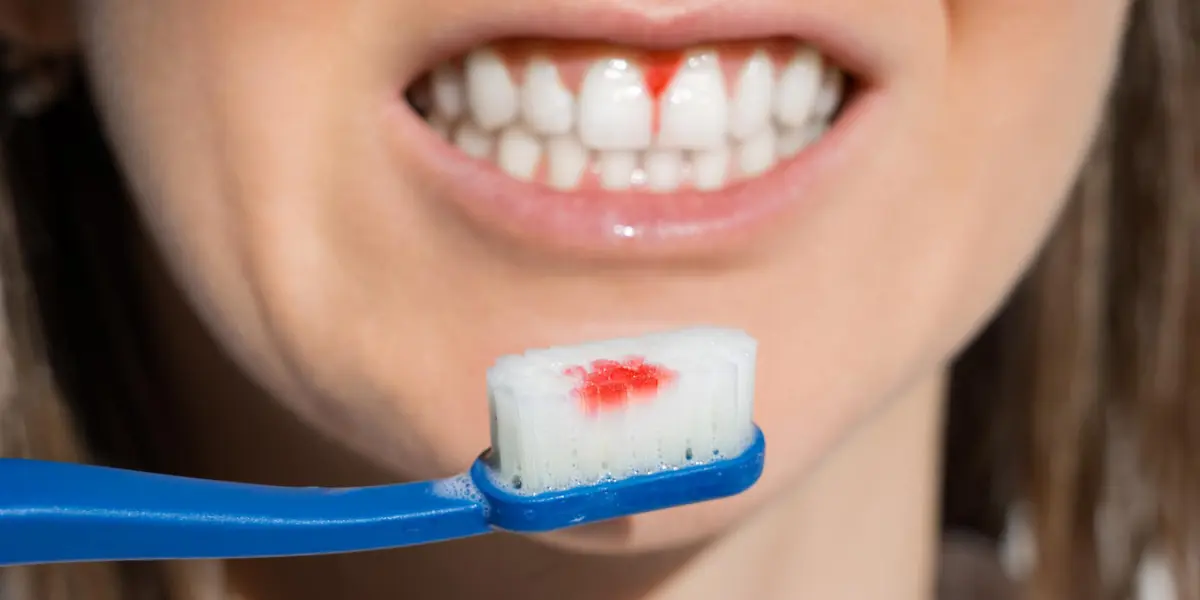
Gum disease such as gingivitis or periodontitis can result in a person having a metallic taste because bleeding gums can create a metallic feeling; inflamed gums may bleed just enough to create a metallic feeling.
Advanced treatment options like Laser Gum Treatment in Mumbai are extremely successful in treating gum disease with minimal discomfort and a much faster healing time.
3. Medications
Many types of medications, such as antibiotics(s), antihistamines, and medications for high blood pressure, will change the way you taste food and drink. Often this temporary side effect can be quite annoying.
If you have started a new medication and experience a metallic taste, please discuss it with your doctor or dentist.
4. Nutritional Deficiencies
Certain vitamin and mineral deficiencies may affect your ability to taste food and drink. For example, zinc and vitamin B12 deficiencies can also cause many other problems including tiredness, weakness, and burning in the mouth.
5. Dental Procedures
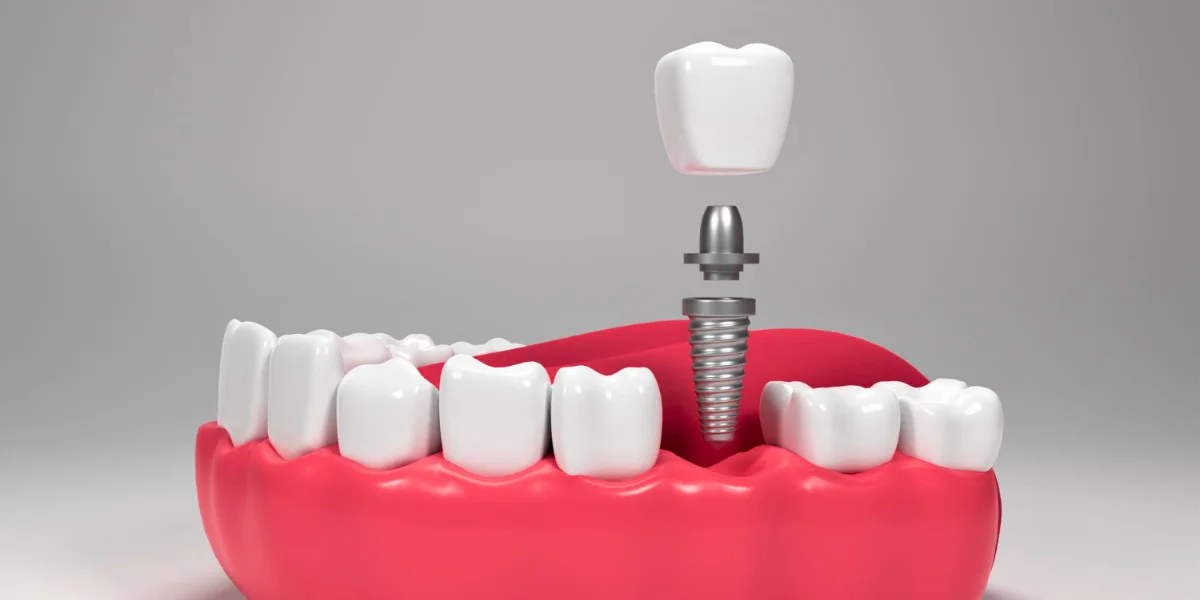
Temporary metal taste is common after dental treatment, such as crown, dental implants treatment, and filling. It occurs from a number of factors such as: irritation from metal fillings or anything made of metal, temporary crown or filling being used, etc.
Modern approaches like Digital Dentistry use high-precision equipment to help reduce these types of side effects and improve patient comfort.
6. Infections and Illnesses
Your ability to taste may be altered when you are experiencing a sinus infection or any other cold or respiratory condition. Sometimes, certain types of viral infections can cause taste alteration.
After the infection resolves itself, the patient’s ability to taste will generally return to normal.
7. Acid Reflux
Moreover, GERD (gastroesophageal reflux disease) causes stomach acid to flow back into the mouth. When this occurs, an individual experiences a metallic or sour tasting mouth.
Control of this condition may be achieved through diet modifications and medical assistance.
8. Pregnancy and Hormonal changes
Hormonal fluctuations in pregnant women can change the perception of tastes, especially during the first trimester when women report feeling a metallic taste in their mouths.
Typically, this is an issue that gets better after several days without any form of treatment.
When Should You See a Dentist?
When you experience a metallic taste in your mouth for a prolonged period or have other symptoms such as bleeding from your gums, discomfort, or bad breath, it may be wise to start seeing a professional for help.
Going to the best dental clinic in Mumbai will assist you in identifying the reason behind this situation and providing you with a remedy.
How to Get Rid of a Metallic Taste
Here are some simple ways to manage or reduce a metallic taste:
• Maintain proper oral hygiene
• Stay hydrated
• Use sugar-free chewing gum to stimulate saliva
• Avoid strong-tasting or processed foods
• Rinse your mouth with salt water
• Schedule regular dental check-ups
Conclusion
Keeping your teeth clean, ensuring you drink enough water throughout the day, and visiting your dentist on a regular basis will all help reduce the risk of suffering from these types of problems. If you continue to feel symptoms, going to a reputable dental clinic ensures that you receive a proper diagnosis and treatment at the appropriate time.
Book your consultation today so that you can regain your health and comfort with your mouth. Contact us so you can take your first step toward having a healthier and fresher smile.
FAQs
1. What medications can cause a metallic taste?
Many medications can lead to a metallic taste, including antibiotics, antihistamines, blood pressure drugs, and some antidepressants. Chemotherapy drugs are also a common cause.
2. Can dehydration cause a metallic taste?
Yes, dehydration can decrease saliva production and lead to a metallic or different-than-usual taste in your mouth.
3. Is a metallic taste a sign of a serious condition?
Not always; it is usually harmless and will go away on its own. However, there are times when this will indicate an underlying medical condition, such as kidney failure or liver disease or neurologic diseases, so they should be checked out by a physician if there is persistent metallic taste.
4. Can pregnancy cause a metallic taste in the mouth?
There are several types of hormonal changes that happen to pregnant women during their first trimester, resulting in a dysgeusia or metallic taste, or a different-than-usual taste in their mouth.