
A healthy smile is not only visually appealing; it gives an indication of your overall oral hygiene. Through the years, teeth may sustain some degree of damage from decay, trauma or habitual wear. Fortunately, the focus of modern dentistry has moved towards returning your teeth to their desired function while still preserving as much of …

A healthy smile is not only visually appealing; it gives an indication of your overall oral hygiene. Through the years, teeth may sustain some degree of damage from decay, trauma or habitual wear. Fortunately, the focus of modern dentistry has moved towards returning your teeth to their desired function while still preserving as much of the natural tooth structure as possible.
In this blog post we will take a look at the various methods in which dentists can restore damaged teeth naturally, the treatment procedures that are involved, and how you can further support these procedures.
Understanding Tooth Damage
Tooth enamel is the hard protective outer covering of a tooth and, once lost, cannot be replaced. However, early damage can be restored through natural processes and conservative dental treatment.
Dentists in Mumbai aim to restore both the function and appearance of teeth while preserving as much of the natural tooth structure as possible.
Natural Restoration: What Does It Mean?
Natural dental restoration does not necessarily mean regrowing a new tooth; rather, it means the following:
• Preserving existing tooth structure
• Using biocompatible, tooth-colored materials
• Supporting the body’s natural healing processes
By using this approach, you will help prevent damage from occurring and reduce the need for invasive treatment options.
1. Remineralization: Strengthening Teeth Naturally
Restoration of essential minerals such as calcium and phosphate to demineralized tooth enamel from Dentist’s point of view is by using the process of remineralization.
According to dental research, remineralization can strengthen early enamel damage and prevent cavities from worsening.
How dentists support remineralization:
• Use of fluoride charged dental solutions
• Recommending remineralizing toothpaste
Remineralization is the most effective method, if utilized at the initial stage of tooth decay.
2. Tooth-Colored Fillings (Minimal Intervention)
When you have tooth decay, the dentist will remove the decayed part of the tooth, and then “fill” the hole with a tooth-colored composite.
These fillings:
• Blend with natural teeth
• Preserve maximum tooth structure
• Prevent further decay
Dental fillings are one of the most common restorative procedures and stop damage from spreading.
3. Dental Bonding for Minor Damage
For small chips, cracks, or worn edges, dentists often use dental bonding.
This technique involves:
• A tooth-colored resin is applied
• Shaping it to match the natural tooth
• A special light will harden the resin
Bonding or Smile Makeover Treatment in Mumbai is conservative and looks natural since it does not require a lot of healthy enamel to be taken away.
4. Inlays and Onlays: Conservative Alternatives
If the damage is too much for a filling to repair but doesn’t require a complete crown, an onlay or inlay may be recommended.
These restorations:
• The resin will fit exactly into the area that has been damaged
• Preserve more of the natural tooth than crowns
• The strength and function of the existing teeth will be restored
• They act as a middle ground between fillings and crowns.
5. Dental Crowns for Advanced Protection
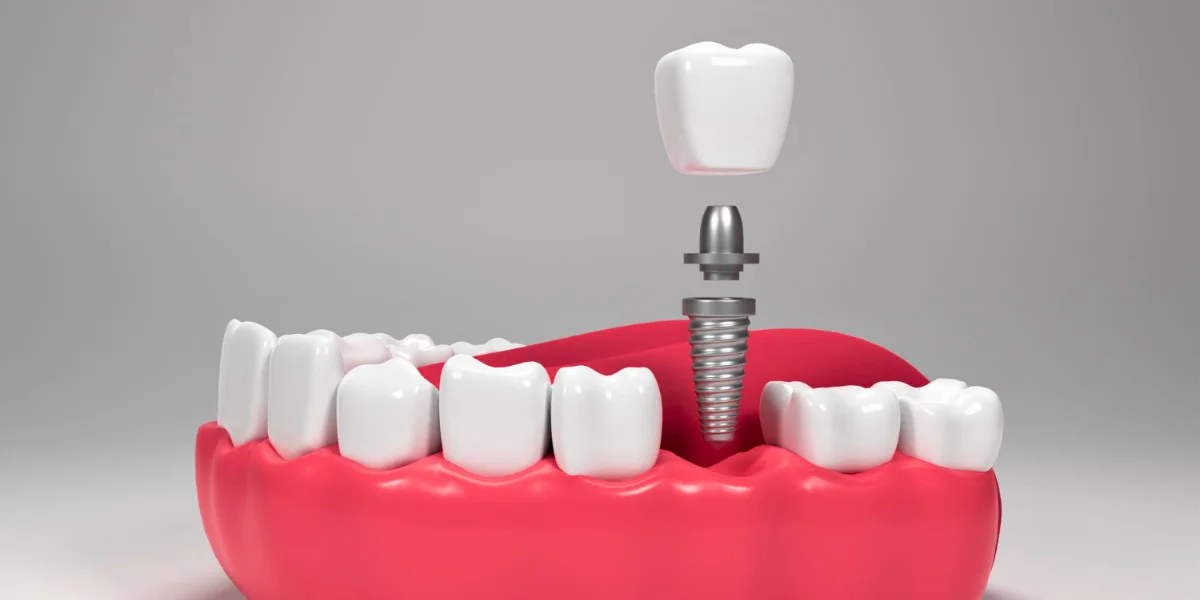
If the damage is extensive then you may need dental implants treatment to get a crown to cover the complete tooth and restore it to its original shape and strength.
Although slightly more invasive, crowns:
• Protect damaged teeth from additional issues Restore chewing ability
• Provide long-term durability
Dentist in Mahim recommend dental crowns if the tooth’s integrity has been compromised beyond the point of smaller restorations being appropriate.
6. Root Canal Treatment to Save Natural Teeth
When infection reaches the inner pulp of the tooth, a root canal treatment is required.
This procedure:
• Removal of diseased tissue
• Cleaning and sealing of tooth
• Preserves the natural tooth instead of extraction
• After a root canal, a crown is often placed to strengthen the tooth.
7. Preventive Care: The Foundation of Natural Restoration
Preservation of teeth through preventative measures is the dentists’ primary focus.
Key practices include:
• Brush twice daily using fluoride toothpaste
• Reducing sugary and acidic foods
• Regular dental visits
• Professional cleanings
Preventive care helps avoid extensive treatments and supports long-term oral health.
Why Early Treatment Matters
If minor dental problems remain untreated, they can become more serious issues with time, including risk of losing the tooth due to infection, pain or other complications. The sooner you receive treatment, the less invasive your dentist will be able to treat you.
Contact Us
If your teeth are sensitive, hurting, or show signs of damage, schedule a dental appointment as soon as possible. At Toothworks Dental Clinic, we provide conservative treatments with a patient-focused approach that also preserves the natural appearance of teeth.
Book your consultation today to discuss the best treatment options available to meet your dental needs and help ensure your long-term oral health.
FAQs
1. Can damaged teeth heal naturally?
Once the enamel of a tooth has eroded, it cannot be completely healed; however, damage to early-stage cavities may be repaired by remineralization of a tooth through proper homecare.
2. What is the natural way to fix a cavity?
Small cavities can be restored in a natural appearance and are minimally invasive using tooth-coloured composite resin fillings.
3. Are dental fillings safe and natural-looking?
Yes, today’s composite fillings are tooth-colored and serve as a safe method of restoring an individual’s smile.
4. When do I need a dental crown?
If a tooth has been critically damaged, cracked or compromised to the point that a filling cannot repair its structure, a crown should be considered.